
Publications
Filter
Year
A zwitterionic silver nanoparticle-incorporating injectable hydrogel with a durable and efficient antibacterial effect for accelerated wound healing
Antibacterial wound dressing is essential for inflammation control and accelerated wound healing. This study investigates polyzwitterion-functionalized silver nanoparticles (AgNPs) with enhanced antibacterial performance in an injectable wound dressing hydrogel. Read more

Highly Transparent, Mechanical, and Self-Adhesive Zwitterionic Conductive Hydrogels with Polyurethane as Cross-Linker for Wireless Strain Sensors
Zwitterionic hydrogels excel in flexibility, strength, and sensory sensitivity for wearable sensors. Their superior adhesion supports applications in robotics and prosthetics, providing reliable real-time mechanotransduction detection without additional adhesives. Read more
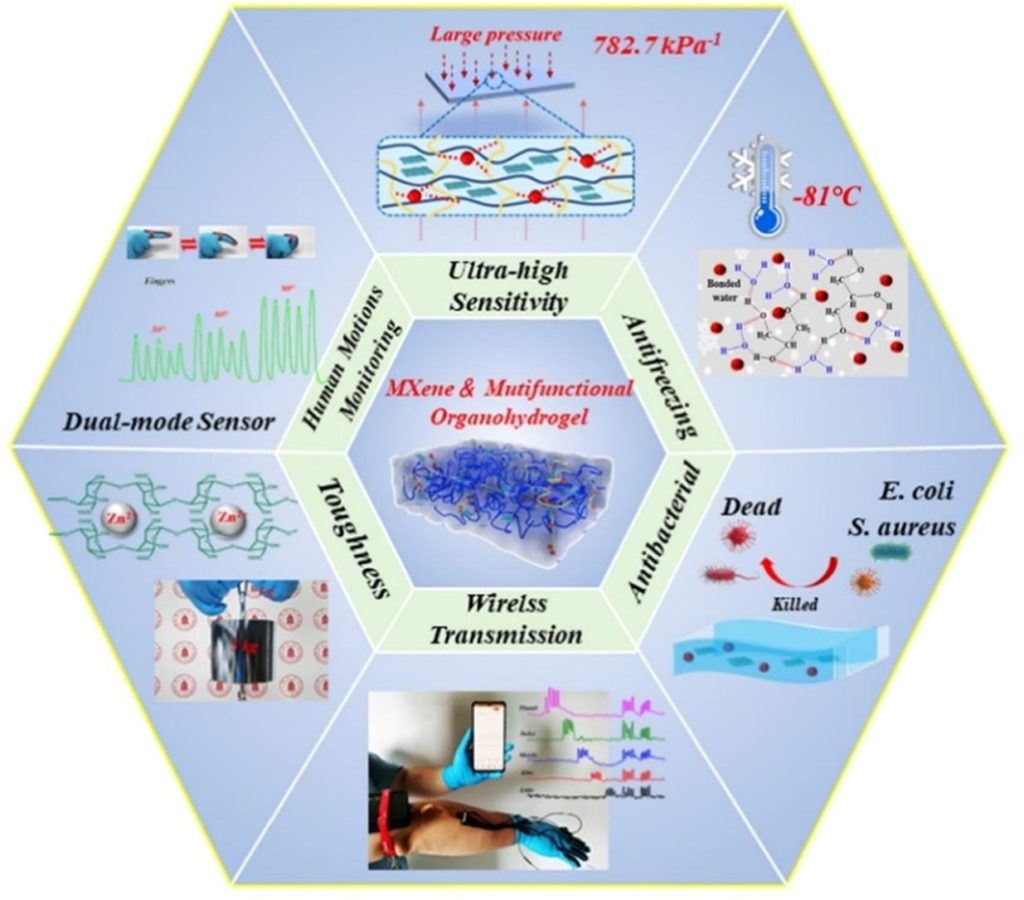
Tough and Extremely Temperature-tolerance Nanocomposite Organohydrogels as Ultrasensitive Wearable Sensors for Wireless Human Motion Monitoring
MXene hydrogels offer exceptional toughness and sensory performance, ideal for wearable sensors in harsh environments. With antibacterial properties, they are suited for potential medical applications, providing reliable dual-mode sensing and wireless communication. Read more
A Systematic Analysis of 3D Deformation of Aging Breasts Based on Artificial Neural Networks
This study introduces a model to predict breast skin deformation in seniors, using neural networks and motion capture for high accuracy. It's a valuable tool in cosmetic and reconstructive surgery and sports biomechanics, validated for its robust simulation and precise biomechanical analysis. Read more
A salt-free, zero-discharge and dyebath-recyclable circular coloration technology based on cationic polyelectrolyte complex for cotton fabric dyeing
This study introduces a sustainable circular dyeing technology for cotton fabrics, featuring zero-effluent discharge and dyebath recyclability. The method not only cuts textile pollution but also imparts antimicrobial properties, offering an eco-friendly solution to reduce the industry's environmental impact. Read more
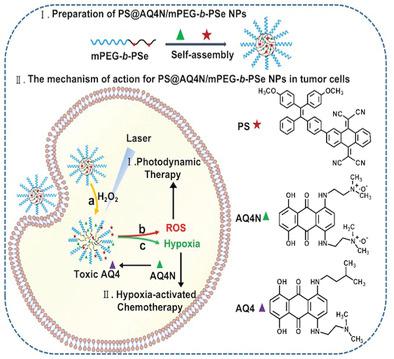
ROS‐responsive selenium‐containing carriers for coencapsulation of photosensitizer and hypoxia‐activated prodrug and their cellular behaviors
This study explores integrating hypoxia-activated chemotherapy with photodynamic therapy via ROS-responsive drug carriers. The method enhances drug release, showing significant tumor treatment efficacy, indicating promising advancements in cancer therapy approaches. Read more
A Novel Bespoke Hypertrophic Scar Treatment: Actualizing Hybrid Pressure and Silicone Therapies with 3D Printing and Scanning
This study presents a novel hypertrophic scar treatment using 3D printing and silicone elastomers. The methodology includes pressure distribution optimization via finite element analysis, resulting in enhanced pressure control on scars, offering improved healing outcomes with a custom-fit design. Read more
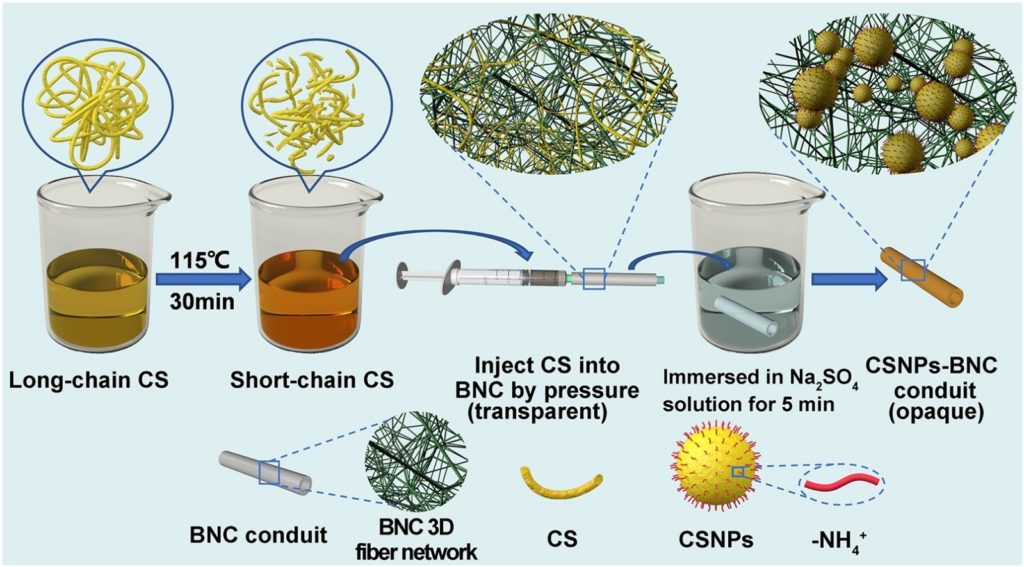
A novel approach for efficient fabrication of chitosan nanoparticles-embedded bacterial nanocellulose conduits
This study introduces a method to embed chitosan nanoparticles in bacterial nanocellulose, enhancing antibacterial properties and biocompatibility. Utilizing ionic gelation, the composite supports Schwann cell growth, showcasing its potential for clinical biomedical applications. Read more
Can infrared camera images be used for screening in Adolescent Idiopathic Scoliosis?
This study explores IR thermography for non-radiation screening of AIS, comparing thermal patterns to spinal deformities on X-rays. Key findings suggest a potential for early detection and severity prediction, providing a safe and automated approach to AIS screening without radiation. Read more
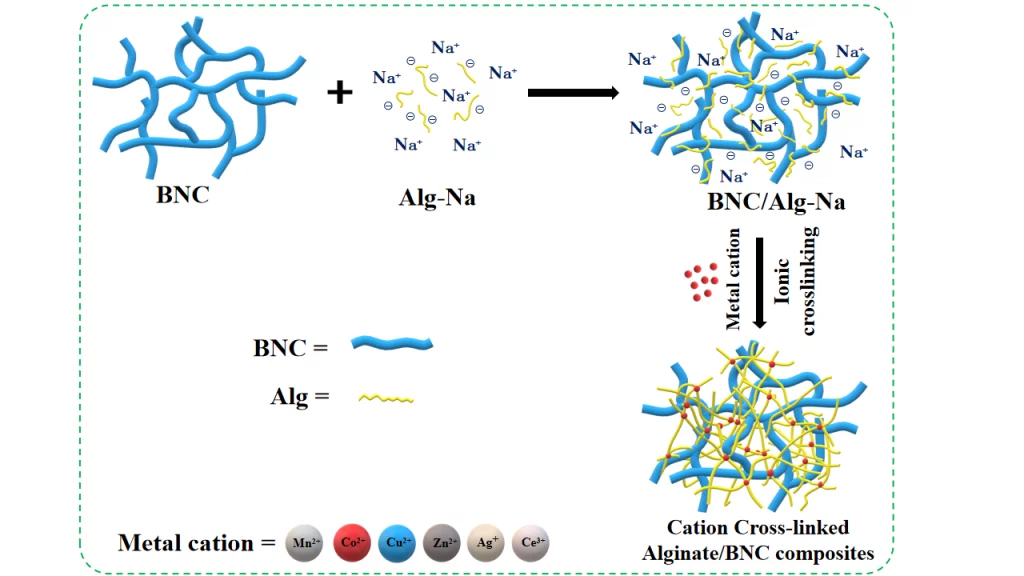
Bacterial nanocellulose-enhanced alginate double-network hydrogels cross-linked with six metal cations for antibacterial wound dressing.
This study explores alginate and bacterial nanocellulose composites for wound healing. Using a vacuum suction method, composites exhibit enhanced antibacterial activity and mechanical strength, promoting faster healing. These findings underscore potential advancements in smart biomedical dressings. Read more
Here goes your text ... Select any part of your text to access the formatting toolbar.
Here goes your text ... Select any part of your text to access the formatting toolbar.
Here goes your text ... Select any part of your text to access the formatting toolbar.
Here goes your text ... Select any part of your text to access the formatting toolbar.